
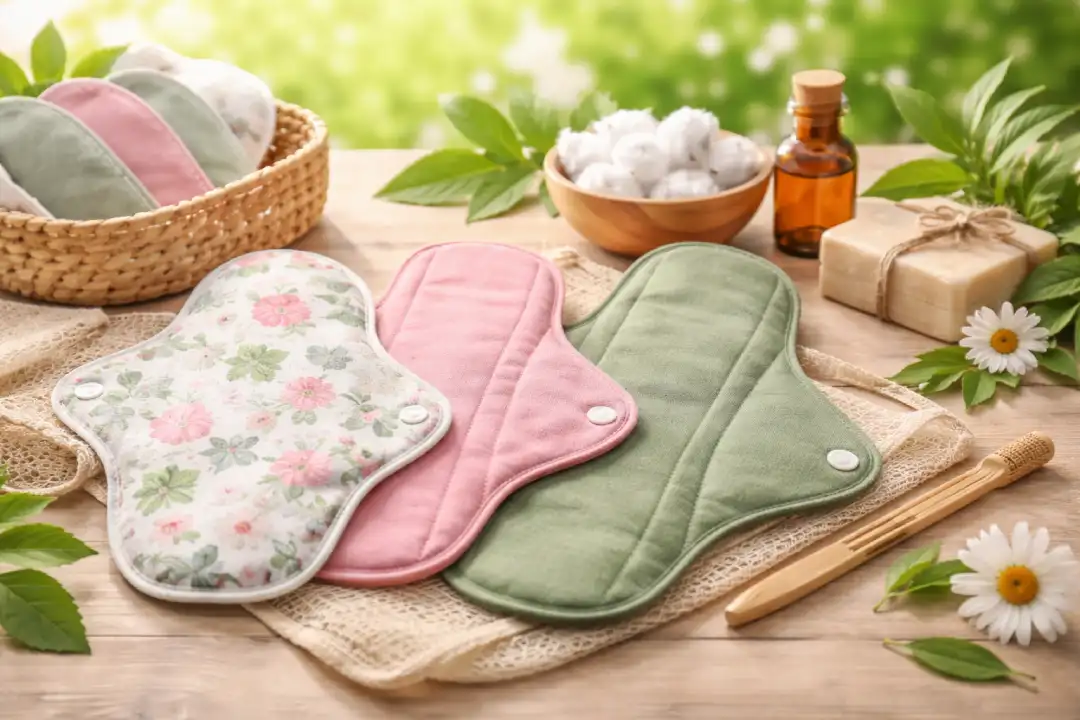
Making the switch to reusable pads is an essential step for those who want to reduce their environmental impact while also improving their health and comfort during menstruation. While disposable pads have been the go-to for years, the growing awareness of sustainability, health concerns, and financial benefits is leading more people to consider alternatives. In this post, we’ll explore why reusable pads are not only better for the planet but also a healthier, more cost-effective option for menstrual care.
The Environmental Impact of Disposable Pads
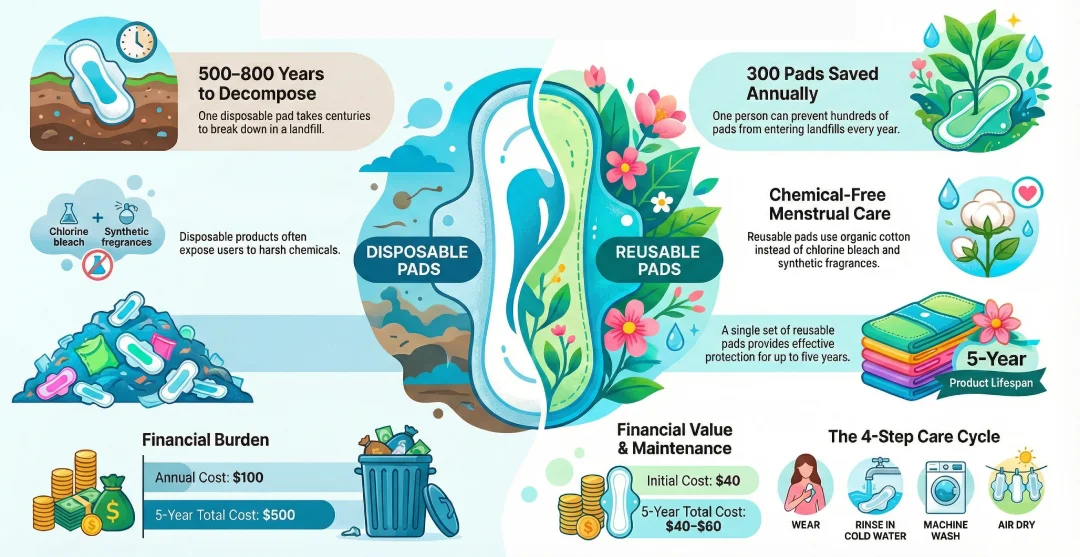
Every year, millions of women use disposable pads, many of which contain synthetic materials and plastic components. The average disposable pad takes approximately 500–800 years to break down in a landfill. This long decomposition time contributes to the growing issue of plastic pollution in our environment, particularly since many disposable pads contain non-biodegradable materials.
These pads are made with plastic liners, synthetic fabrics, and chemicals that are harmful to the environment. In fact, plastic in sanitary products accounts for a significant portion of feminine hygiene waste that ends up in landfills or the ocean. The sheer volume of disposable menstrual products used annually poses a serious environmental issue, one that could be alleviated by switching to more sustainable options, such as reusable pads.
The Benefits of Reducing Waste with Reusable Pads
In contrast to disposable pads, reusable pads can last for years. By switching to reusable pads, individuals can significantly reduce their menstrual waste. A single set of reusable pads can last up to 5 years, reducing the number of pads that end up in landfills and plastic waste.
One study estimated that a person could save about 200 to 300 pads per year by switching to reusable menstrual products. This reduction in disposable waste can have a positive impact on the environment, particularly as the demand for sustainable menstruation products continues to grow. Over time, making the switch not only benefits the planet but also reduces your personal ecological footprint.
What Happens to Used Disposable Pads?
Once used, disposable pads are wrapped in plastic and thrown away, typically ending up in landfills. While the pads themselves are designed to absorb liquid, the plastic and synthetic fibers in them do not break down quickly. The harmful chemicals in the pads, such as dioxins (used in the bleaching process), can also leach into the soil, further contributing to environmental contamination.
By using reusable pads, people can help combat this growing environmental issue. When you choose sustainable menstrual products, you’re directly reducing the amount of plastic and harmful chemicals that are released into the environment over time.
Health Benefits of Reusable Pads
One significant concern with disposable pads is the presence of harmful chemicals. Many disposable pads are made from synthetic materials and treated with chemicals, such as chlorine bleach, which is used in the manufacturing process to whiten the pads. Unfortunately, dioxins, a byproduct of chlorine bleaching, can pose a risk to human health.
Reusable pads, on the other hand, are typically made from natural, unbleached materials like organic cotton, bamboo, or hemp. These materials are free of harsh chemicals, reducing the risk of skin irritation, rashes, or more serious health concerns associated with prolonged exposure to synthetic materials. By switching to chemical-free, reusable pads, you minimize your exposure to potentially harmful substances and improve your skin health during menstruation.
Gentler on Sensitive Skin
If you have sensitive skin or conditions such as vulvar dermatitis or eczema, you may already know the irritation that can arise from using disposable pads. The synthetic fibers used in many disposable pads can cause friction, leading to itchiness or rashes. Additionally, the chemicals and fragrances in disposable products can further irritate the skin, especially during your period when your skin is already more sensitive.
Since reusable pads are made from natural fibers like organic cotton, they are much gentler on the skin.
Organic cotton is naturally breathable, helping to keep the skin dry and reducing the risk of rashes or irritation. Many people find that reusable pads help them feel more comfortable, especially if they have sensitive skin. If you struggle with rashes or irritation, see our guide on sanitary towels for sensitive skin to understand why natural materials like organic cotton are superior.
Long-Term Health Considerations
Another reason to switch to reusable pads is that they do not contain the same potentially harmful chemicals as disposable pads. Many disposable pads contain fragrances and bleaching agents that can disrupt the body’s natural pH balance or cause irritation. Long-term use of these chemicals can contribute to hormonal imbalances or reproductive issues.
By using reusable pads, you are choosing a more natural, chemical-free alternative, which can help promote better long-term health and well-being. Switching to organic cotton or other natural fibers reduces the risk of exposure to chemicals that may have adverse long-term effects on your body.
Financial Benefits of Switching to Reusable Pads
While the initial cost of reusable pads may be higher than that of disposable pads, they offer significant savings in the long run. The average person uses about 20-25 pads per month, which adds up to over $100 a year on disposable products. Over a lifetime, that’s a significant amount of money spent on menstrual products.
In comparison, reusable pads are a one-time investment. A set of reusable pads typically costs between $30 and $60 and can last 2–5 years. This means that over 5 years, reusable pads cost far less than disposable ones, making them a budget-friendly choice in the long term.
The Long-Term Savings of Reusable Pads
Here’s a simple breakdown of cost savings:
| Product | Annual Cost | Lifetime Cost (5 years) | Total Savings (5 years) |
| Disposable Pads | $100 | $500 | — |
| Reusable Pads | $40 | $40–$60 | Up to $460 |
Switching to reusable pads can save hundreds of dollars over a few years. The long-term cost savings far outweigh the upfront investment. Additionally, reusable pads help reduce waste and avoid the need for continuous purchases of disposable products, offering both financial and environmental benefits.
Avoiding Ongoing Purchases of Disposable Products
One of the primary costs of disposable pads is the need to repurchase them every month. With reusable pads, you can make an initial investment and then use them for several years. This eliminates the need to purchase pads, helping you avoid recurring long-term expenses.
While the upfront cost of reusable pads may seem high to some, it is essential to remember that they are designed to last for years, providing excellent value for your money. Reusable pads are the most cost-effective option for anyone who wants to reduce their menstrual product spending over time.
Comfort and Practicality of Reusable Pads
Comfort: How Reusable Pads Feel
Comfort is a key factor people consider when choosing menstrual products, and reusable pads offer significant advantages over disposable counterparts. Many people find that reusable pads provide a more comfortable and breathable experience during their period.
Unlike disposable pads, which are often made from synthetic materials that can cause discomfort or irritate the skin, reusable pads are typically crafted from natural fibers like organic cotton or bamboo. These materials are gentle on the skin, allowing for greater comfort throughout the day.
Additionally, reusable pads are available in various styles and sizes, giving you the flexibility to choose what feels most comfortable for your body. From panty-liner styles for lighter days to full-coverage pads for heavier flows, there’s a reusable option for everyone.
Why Reusable Pads are Comfortable:
- Breathability: Natural fabrics allow air to flow, reducing the chances of overheating or irritation.
- Softness: Fabrics like organic cotton are softer against the skin compared to the rough, plastic-like surface of disposable pads.
- Fitted designs: Many reusable pads feature contoured shapes or secure wings to stay in place and prevent chafing or shifting.
In conclusion, reusable pads tend to feel more comfortable because they are made from natural, breathable materials and offer a better fit across a variety of body types, reducing discomfort during menstruation.
Ease of Use and Maintenance
Another benefit of reusable pads is that they are easy to use and maintain. While the idea of washing menstrual products may initially seem challenging, most people find the process simple once they get the hang of it. Here’s how to use and care for reusable pads:
- Use: Simply wear a reusable pad just like a regular pad. Reusable pads often have a snap closure or wings to keep them secure in place, preventing shifting and leaks.
- Rinse: After use, rinse the pad under cold water to remove excess blood. This step helps prevent staining and ensures that the fabric remains in good condition.
- Wash: After rinsing, either toss the pad into a laundry bag or place it directly in the washing machine. Most reusable pads are machine washable, but it’s always good to check the care instructions.
- Dry: After washing, allow your pads to air dry. Some reusable pads can also be tumble-dried, but line drying is the most recommended method to prolong their life.
The ease of cleaning and maintaining reusable pads makes them a practical choice for many. With the proper care, a set of reusable pads can last for years, making them a smart, cost-effective option.
Tips for Easy Maintenance:
- Rinse immediately: Rinsing the pad right after use helps keep stains from setting.
- Use a laundry bag: To prevent wear and tear, put your reusable pads in a laundry bag before washing them.
- Avoid fabric softeners: They can reduce the pad’s absorbency. Stick to gentle detergents that won’t harm the fabric.
Different Options and Styles
One of the key reasons reusable pads are becoming so popular is that they come in a wide range of sizes and styles to suit individual preferences. Just like disposable pads, reusable pads offer various levels of absorbency and are available in multiple designs.
- Liner Pads: Ideal for light flow or as a backup for menstrual cups, liner pads are small and thin, perfect for daily wear or light spotting.
- Regular Pads: For those with a moderate flow, regular reusable pads offer the right amount of absorbency to keep you feeling dry without any discomfort.
- Heavy Flow Pads: These pads are designed for people with heavier menstrual flow or overnight use. They typically have extra absorbent layers and are longer or wider to ensure complete coverage.
- Night Pads: If you’re worried about leaks overnight, night pads are longer and have a larger absorbent area, providing peace of mind while you sleep.
Variety of Designs:
- Snap-on wings: To secure the pad in place, preventing any shifting or movement.
- Adjustable straps: Some reusable pads have adjustable straps for better comfort and fit.
- Foldable for portability: Reusable pads fold up easily and fit in a small pouch, making them easy to carry on the go.
Choosing the right style of reusable pad depends on your flow and personal preferences. Whether you’re looking for something discreet and lightweight or something to manage heavy flow, there are plenty of options to choose from.
How to Make the Switch from Disposable Pads
Switching from disposable pads to reusable pads can feel like a significant change, but the process doesn’t have to be overwhelming. Here’s how to make the transition as smooth as possible:
- Start Slowly: If you’re hesitant, try starting with one or two reusable pads to see how they fit into your routine. This allows you to ease into the transition without committing to a complete set of pads right away.
- Choose the Right Absorbency: Start with pads designed for your flow. If you have a heavy flow, opt for heavy-duty pads that can handle large volumes of fluid. If you’re just starting to use reusable pads, consider liners or medium absorbency pads.
- Get a Few Different Styles: Experiment with different styles to find out what works best for you. You may prefer contour pads, pantyliners, or overnight pads depending on your flow and comfort preferences.
- Get Used to Washing: The most significant adjustment for many is the washing process. While this might seem like an inconvenience at first, most users quickly find that washing reusable pads is a straightforward process, especially if you rinse them after use and follow proper care instructions.
Whether you are motivated by the up to $460 in savings over five years or the desire to keep hundreds of pads out of landfills, Sanitation Towel is here to support your journey toward a healthier, greener period.
What to Expect During the Transition
When making the switch to reusable pads, it’s normal to feel a bit unsure at first. However, most people find that the benefits outweigh any initial challenges. Here’s what to expect:
- Learning Curve: You’ll need to adjust to the care routine and washing process, but once you establish a system, it’s a simple task.
- Comfort: You may experience greater comfort and breathability than with disposable pads, as reusable pads are made from natural materials.
- Initial Investment: While reusable pads require an upfront investment, they can save you money over time by eliminating the need to purchase disposable products.
Frequently Asked Questions
How long do reusable pads last?
Reusable pads can last between 2 to 5 years, depending on the quality and how well they are cared for. Regular washing and proper drying are essential to maintain their durability and maximize their lifespan.
Are reusable pads really effective for heavy flow?
Yes, reusable pads can be highly effective for heavy flow, especially those designed for it. Many brands offer heavy-duty pads with extra absorbency, width, and length to provide protection similar to disposable heavy-flow pads.
Can reusable pads cause irritation or rashes?
While reusable pads are gentler than disposable ones, some people with sensitive skin may experience irritation. Choosing pads made from organic cotton or hypoallergenic fabrics and washing them with gentle detergent can help reduce irritation.
How do I store reusable pads between washes?
Store used pads in a wet bag to keep them secure until you can rinse and wash them. Once clean and dry, keep them in a cool, dry place to prevent mildew or bacterial growth, and store them in a pouch for easy access.
Are reusable pads safe for sensitive skin?
Yes, reusable pads are safer for sensitive skin because they are often made from natural materials such as organic cotton, bamboo, or hemp. These materials are hypoallergenic and free from harsh chemicals, making them gentler than disposable options.
Final Thoughts: Why Reusable Pads Are the Smart Choice for You and the Planet
Making the switch to reusable pads is an impactful decision that benefits your health, your wallet, and the environment. Not only are reusable pads a sustainable alternative to disposable products, but they also provide a comfortable, chemical-free solution for menstrual care. By reducing plastic waste, avoiding harmful chemicals, and saving money over time, reusable pads offer a practical and eco-friendly option that meets the needs of modern menstruation.
By choosing reusable pads, you’re not only making a choice for healthier menstrual care, but you’re also contributing to a greener planet. Whether you’re concerned about the environmental impact, looking for a more comfortable option, or interested in long-term cost savings, switching to reusable pads is a choice you can feel good about.