Table of contents
- Sanitary Towel vs Sanitation Towel: A Quick Word on the Name
- What Are Sanitary Pads, in More Detail?
- The Anatomy of a Sanitary Pad: The Layers Explained
- Types of Sanitary Pads
- Sizes and Absorbency: How to Actually Choose
- How Often Should You Change a Sanitary Pad?
- Sanitary Pads vs Tampons vs Menstrual Cups
- Materials and Skin Considerations
- Environmental Notes
- The Bottom Line
- Frequently asked questions
If you have landed here typing “what are sanitary pads” into a search box, you are probably one of two people: a young person about to start their first period, or a parent or carer trying to explain periods to a child and realizing you are fuzzy on the details yourself. Either way, you deserve a plain, calm answer with no jargon and no embarrassment. This guide gives you exactly that, and it clears up a naming confusion that trips a lot of readers up.
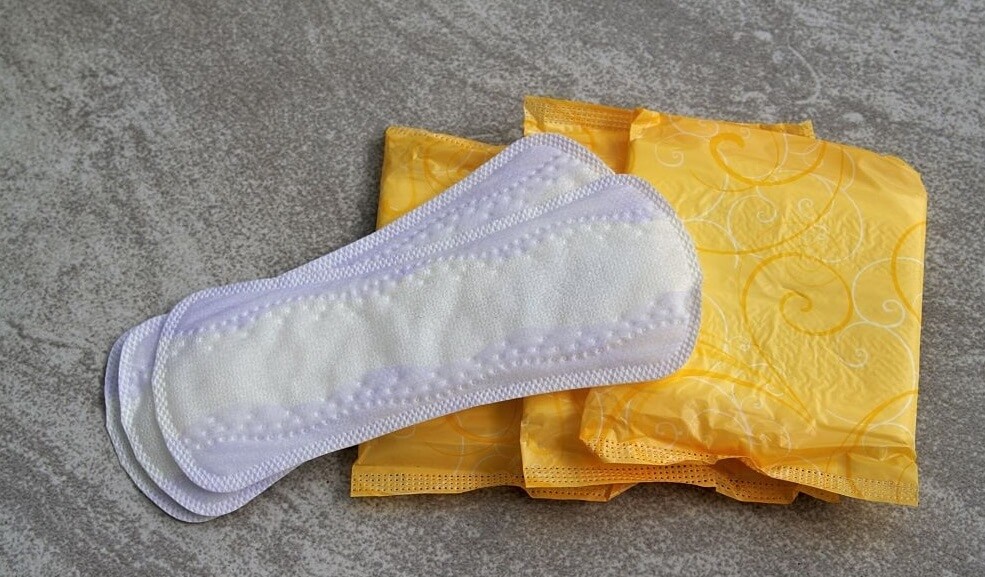
A sanitary pad (also called a sanitary towel, menstrual pad, or period pad) is a soft, absorbent strip that you stick to the inside of your underwear to soak up menstrual blood during your period. It sits outside your body, is worn against the underwear rather than inside you, and is thrown away or washed after use.
That is the short version. The rest of this article explains what a pad is made of, the different types you will see on the shelf, how to choose the right one, and how pads compare with tampons and menstrual cups. I test period products for this site, and I read the guidance from bodies like the American College of Obstetricians and Gynecologists (ACOG), the NHS, the U.S. Food and Drug Administration (FDA), and the CDC so you do not have to.
Sanitary Towel vs Sanitation Towel: A Quick Word on the Name
Language matters here because two very similar phrases mean completely different things. A sanitary towel is a menstrual pad, worn during a period. A sanitation towel is a cleaning cloth or wipe used to disinfect surfaces and hands. They are not interchangeable. If you searched for one and landed on the other, that is the whole reason this page exists. You can read our companion explainer on what a sanitation towel actually is if cleaning cloths are what you were after. Everything below is about the menstrual product.
What Are Sanitary Pads, in More Detail?
Menstrual pads are single-use products (or, in the case of cloth pads, washable and reusable) that absorb and hold menstrual fluid. The NHS describes them plainly as strips of padding that have a sticky side you attach to your underwear to hold them in place. Pads are an external or outside-the-body product, which is one of the main things that sets them apart from tampons and cups.
In the United States, the FDA regulates menstrual pads as medical devices. Pads are generally Class I devices, the lowest-risk category, and most are exempt from the FDA’s premarket 510(k) review. Tampons, by contrast, are Class II devices. That regulatory detail is dry, but it matters. It means pads sold by reputable brands in the U.S. are held to labeling and safety standards, according to the FDA’s guidance on menstrual pads and tampons.
If you are brand new to periods, the next thing to understand is how a pad is actually built.
The Anatomy of a Sanitary Pad: The Layers Explained
A modern disposable pad looks simple, but it is a small piece of engineering with several distinct layers. Understanding these layers helps you read labels and pick products that suit your skin.
- Top sheet (cover layer): The soft surface that touches your skin. It is usually a nonwoven fabric made from polypropylene or polyester, and on gentler pads it may be cotton or a cotton blend. Its job is to let fluid pass through quickly while keeping the surface feeling dry.
- Acquisition or transfer layer: A thin layer just under the top sheet on many pads. It pulls fluid down and spreads it out so it does not pool in one spot.
- Absorbent core: The heart of the pad. It is typically a blend of fluff pulp (fine cellulose fibers, usually made from softwood such as pine) and superabsorbent polymers (SAP). Fluff pulp soaks up liquid fast, while SAP granules (often sodium polyacrylate) turn liquid into a gel and lock it away so it does not leak back out when you sit or move.
- Back sheet (barrier layer): A thin, waterproof or water-resistant film, usually polyethylene, that stops fluid from soaking through onto your clothes.
- Adhesive: The sticky strip (and, on some pads, wing adhesive) that holds the pad to your underwear. You peel off a paper backing to expose it.
- Wings: Optional flaps on the sides that fold under the crotch of your underwear. They anchor the pad in place and add a barrier against side leaks.
Superabsorbent polymer is the reason a pad only a few millimeters thick can hold so much. SAP can absorb many times its own weight in liquid, which is how ultrathin pads exist at all.
Types of Sanitary Pads
“Types of sanitary pads” is one of the most common follow-up searches, and for good reason. The wall of options in the store is genuinely confusing. Here is what each type is for.
- Pantyliners: The thinnest and smallest. Designed for very light days, spotting, discharge, or as backup with a tampon or cup. Not meant to hold a real flow.
- Ultrathin pads: Slim, discreet pads that use a lot of SAP to stay thin while still absorbing a light-to-moderate flow. Popular for daytime and comfort.
- Regular (maxi/standard) pads: The everyday workhorse for a normal flow. Thicker than ultrathins, with more absorbent material.
- Maxi and long pads: Longer and often thicker, for heavier days when you want more coverage and fewer changes.
- Overnight pads: Extra-long, often with a wider back, made to protect you while you lie down and shift position for hours. If you leak overnight, this is the category to reach for.
- Maternity or postpartum pads: Extra-long, extra-absorbent, and made with a soft, breathable design. After childbirth the body sheds a heavy, weeks-long discharge called lochia that is heavier than a period, so maternity pads are built to handle it and to sit gently against any stitches. Do not use tampons or cups during postpartum bleeding unless your clinician says otherwise.
- Reusable cloth pads: Washable fabric pads, usually cotton or bamboo, that snap around your underwear instead of using adhesive. You rinse, wash, and reuse them. They cut down on waste and can be gentler on sensitive skin, though they require laundering.
If you want a real-world walkthrough of one brand’s full size lineup, our review of Always sanitary towel sizes breaks down how a single company labels light, regular, long, and overnight. For heavier cycles specifically, see our roundup of the best pads for a heavy flow.
Sizes and Absorbency: How to Actually Choose
Pad absorbency is not standardized the way tampon absorbency is, so brands use their own words (light, regular, super, overnight) and often a droplet rating on the box. As a rule of thumb, match the pad to the situation:
| Flow or situation | Pad type to start with |
|---|---|
| Spotting, discharge, backup | Pantyliner |
| Light day | Ultrathin or “light” pad |
| Normal day | Regular or maxi pad |
| Heavy day | Long or “super” pad |
| Sleeping | Overnight pad |
| After childbirth | Maternity or postpartum pad |
The honest answer is that most people use a mix. You might wear a regular pad by day and an overnight at night, and keep pantyliners for the tail end of your period. Start with a regular pad if you are unsure, and size up if you are leaking or changing very frequently. If you are still learning the mechanics, our step-by-step guide on how to use sanitary pads covers positioning, wings, and changing.
How Often Should You Change a Sanitary Pad?
This is a hygiene question, not just a comfort one. The CDC advises that you change sanitary pads every few hours, no matter how light the flow, and more often on heavy days, according to its menstrual hygiene guidance. The reason is straightforward. Trapped moisture is a breeding ground for bacteria and fungi, and a pad left on too long can lead to odor, irritation, or a rash. The CDC also recommends washing your hands before and after changing any menstrual product.
A practical range most clinicians support is every four to six hours during the day, sooner if the pad is full. The NHS gives the same four-to-six-hour window for pads and liners. Overnight pads are the exception, since they are designed for a longer stretch while you sleep.
Sanitary Pads vs Tampons vs Menstrual Cups
Beginners almost always want to know how pads stack up against the other options. Here is a clear comparison.
| Feature | Sanitary pad | Tampon | Menstrual cup |
|---|---|---|---|
| Where it sits | Outside, in underwear | Inside the vagina | Inside the vagina |
| What it does | Absorbs blood | Absorbs blood | Collects blood |
| Reusable? | Mostly single-use (cloth pads reusable) | Single-use | Reusable for years |
| Typical wear time | Every few hours | 4 to 8 hours, never over 8 | Up to 12 hours |
| TSS consideration | Very low risk | Small risk; use lowest absorbency | Low risk; clean between uses |
| Good for beginners? | Yes, easiest to start | Takes practice | Takes practice |
Pads are the most beginner-friendly because there is nothing to insert and nothing to learn about your own anatomy first. Tampons and cups are worn internally and are better for swimming or tight clothing, but they carry their own learning curve. Tampons come in FDA-standardized absorbencies, and the CDC recommends using the lowest absorbency that handles your flow, changing every four to eight hours, and never wearing one longer than eight hours because of the small risk of toxic shock syndrome (TSS). The FDA’s standardized tampon ranges are Light (under 6 grams), Regular (6 to 9 grams), Super (9 to 12 grams), Super Plus (12 to 15 grams), and Ultra (15 to 18 grams).
For a deeper side-by-side of the internal versus external options, read our full tampons vs pads comparison.
This is general information, not medical advice. If your bleeding is unusually heavy, lasts longer than a week, or comes with severe pain, talk to a doctor.
Materials and Skin Considerations
Most people wear pads with no trouble at all. But the vulva has thin, sensitive skin, and a small number of people react to something in a pad. Dermatology sources consistently point to the same culprits: added fragrance, dyes and inks, and sometimes adhesives can trigger contact dermatitis, an itchy, red irritation.
ACOG advises choosing menstrual pads and tampons that are deodorant-free, because scented products can irritate the skin and disturb the natural vaginal environment, per its vulvovaginal health guidance. If you have sensitive skin or a history of eczema, look for these features:
- Fragrance-free and dye-free (not “lightly scented,” which still contains fragrance).
- A cotton or cotton-blend top sheet rather than a plastic-feel cover.
- Changing pads regularly so skin is not sitting against a damp surface for hours.
If you keep reacting despite switching products, a dermatologist can patch-test you for specific allergens. Persistent itching, burning, or a rash that does not clear is worth a medical visit rather than trial-and-error shopping.
Environmental Notes
Disposable pads are convenient, but they add up. Estimates suggest a person who menstruates will use somewhere between 5,000 and 15,000 disposable pads and tampons across their lifetime, and conventional disposable pads can take an estimated 500 to 800 years to break down in landfill because of their plastic content. The World Health Organization and peer-reviewed life-cycle analyses have flagged disposable menstrual products as a meaningful source of plastic waste.
That is not a reason to feel guilty about using disposables, which remain the right choice for many people. But if you want to reduce waste, reusable cloth pads and menstrual cups are the two lowest-impact options, and both can be reused for years with proper washing. A menstrual cup, for example, can last several years with basic cleaning, which is why life-cycle studies rank it far below disposables for waste. For general period-product upkeep and hygiene, browse the full menstrual hygiene hub.
The Bottom Line
A sanitary pad is a soft, absorbent strip you stick inside your underwear to catch menstrual blood. It is worn outside the body, comes in sizes from thin pantyliners to long overnight and postpartum pads, and is the easiest period product for a beginner to start with. Choose an unscented pad sized to your flow, change it every few hours, and keep tampons and cups in mind as internal alternatives once you are comfortable. If anything about your period seems off, a clinician is the right person to ask.
Frequently asked questions
What are sanitary pads used for?
Sanitary pads are worn inside your underwear to absorb menstrual blood during your period. They sit outside the body, unlike tampons and menstrual cups, which are worn internally. Pads are the easiest period product for beginners because there is nothing to insert.
What is the difference between a sanitary towel and a sanitation towel?
A sanitary towel is another name for a menstrual pad, worn during a period. A sanitation towel is a cleaning cloth or wipe used to disinfect surfaces and hands. The two are unrelated despite the similar names, and they should never be used interchangeably.
What are the layers of a sanitary pad?
A typical disposable pad has a soft top sheet that touches your skin, an absorbent core made of fluff pulp and superabsorbent polymer (SAP), and a waterproof back sheet to prevent leaks. Adhesive on the underside sticks it to your underwear, and optional wings fold under to hold it in place and guard against side leaks.
What are the main types of sanitary pads?
Common types include pantyliners for very light days, ultrathin pads, regular pads for a normal flow, long or maxi pads for heavier days, overnight pads for sleeping, maternity or postpartum pads for after childbirth, and reusable cloth pads that you wash and reuse. Most people use a mix of sizes across a single cycle.
How often should you change a sanitary pad?
The CDC advises changing sanitary pads every few hours no matter how light the flow, and more often on heavy days, because trapped moisture can breed bacteria and cause irritation. A practical guide is every four to six hours during the day. Overnight pads are designed to last through a night's sleep.
Are scented sanitary pads safe for sensitive skin?
ACOG recommends choosing deodorant-free pads because added fragrance can irritate the skin and disturb the natural vaginal environment. Fragrance, dyes, and adhesives are the most common triggers of contact dermatitis. If irritation persists after switching to a fragrance-free, cotton-topped pad, see a dermatologist for patch testing.